Farm laws: Indian unions reject offer to suspend reforms
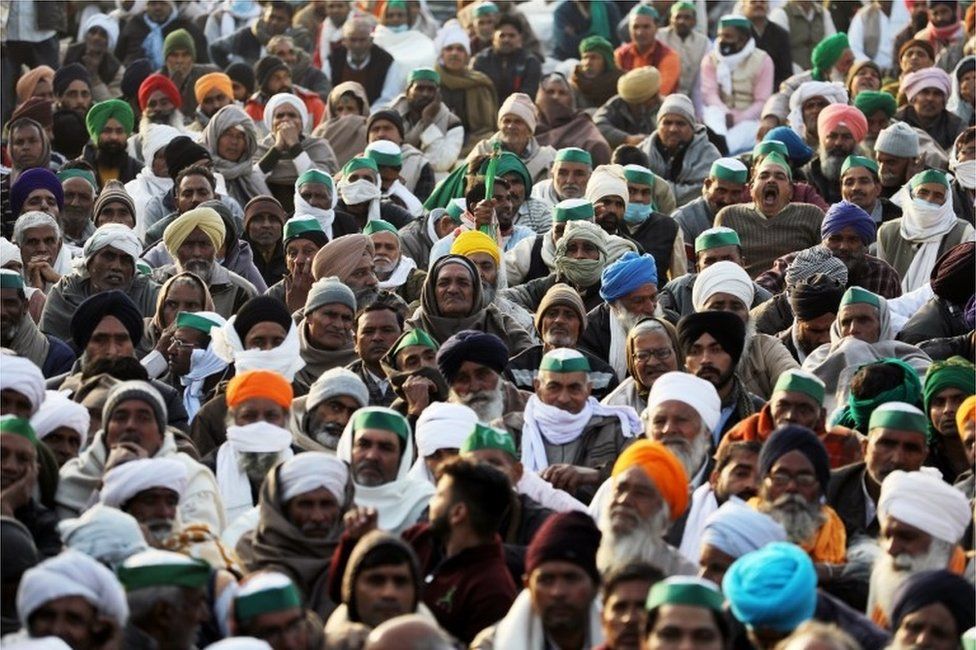
Farmers' unions have rejected an Indian government offer to put controversial reforms on hold for 18 months.
The unions said the three new farm laws must be fully repealed, a move the government has ruled out.
Farmers have been camped on Delhi's outskirts since 26 November to protest against the laws, which will further open up agriculture to the free market.
The government had proposed setting up a joint committee to find an amicable solution to end the deadlock.
This followed several rounds of failed talks between the sides.
Talking to the media after the meeting, farmer group leaders said the government was ready to form a special panel to review demands for a minimum support price (MSP), and the laws.
But later on Thursday the Samyukt Kisan Morcha, an umbrella body of unions leading the protests, ruled out any deal.
"In a full general body meeting the proposal put forth by the government yesterday was rejected," a statement said.
"We will not go back without the repealing of these farm laws."
The government has said the reforms will not hurt farmers. But farm groups say the laws threaten decades-old concessions and subsidies they receive, thwart their bargaining power and expose them to the vagaries of the market and big corporate companies.
Earlier India's Supreme Court stayed the implementation of the laws "until further notice", and appointed an independent committee to broker a deal between the farmers and the government.
The farmers, however, have not accepted the committee, saying that all of its panel members are pro-government.
What exactly do the laws propose?
Taken together, the laws loosen rules around sale, pricing and storage of farm produce - rules that have protected India's farmers from the free market for decades.
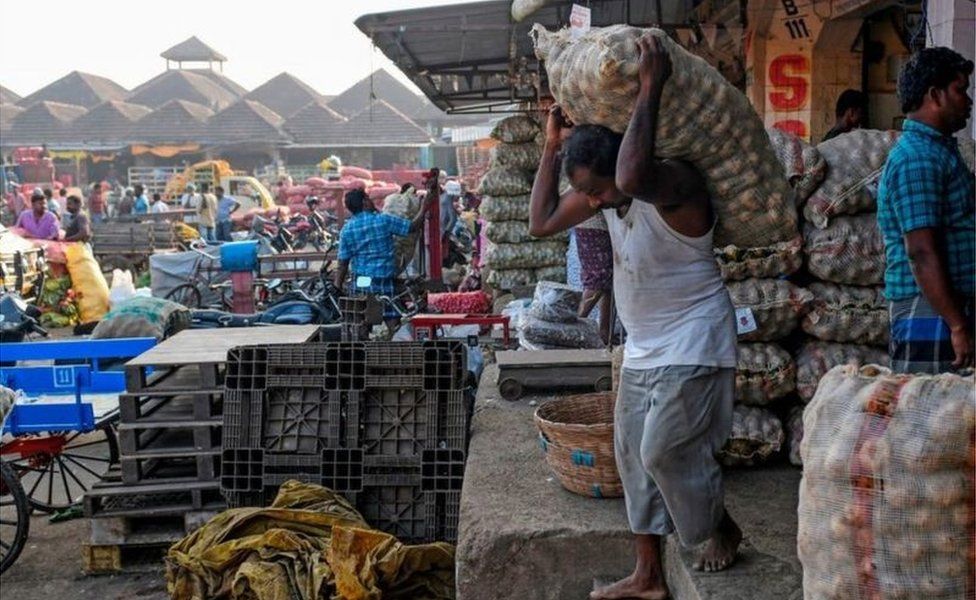
One of the biggest changes is that farmers will be allowed to sell their produce at a market price directly to private players - agricultural businesses, supermarket chains and online grocers. Most Indian farmers currently sell the majority of their produce at government-controlled wholesale markets or mandis at assured floor prices.
The reforms give farmers the option of selling outside of this so-called "mandi system".
Comments
Post a Comment